
When you’re looking at replacement windows, the numbers can feel overwhelming. ProVia Endure windows typically range from $450 to $850 per window installed, depending on size, style, and features you select. That price puts them in the mid-to-upper range of the market, but understanding what drives those costs helps you see where your money actually goes.
What Makes ProVia Endure Windows Different
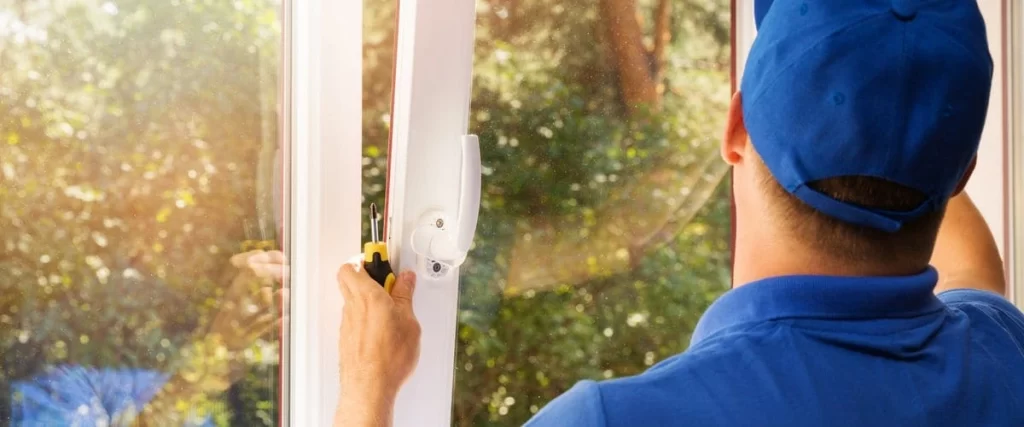
ProVia manufactures their Endure line with vinyl frames that resist warping, cracking, and fading better than standard vinyl options. The frames use a multi-chamber design that creates pockets of insulating air throughout the structure. This combination of materials and engineering reduces heat transfer between your home’s interior and the outdoor environment.
The glass packages work hard for you:
- Low-E coatings reflect infrared light, keeping heat inside during winter and outside during summer
- Argon gas fills between panes, slow down heat transfer since argon is denser than regular air
- Multiple pane options give you control over how much insulation your windows provide
Breaking Down the Cost Structure
| Window Type | Price Range (Installed) | Key Cost Factors |
| Standard Double-Hung | $450 – $600 | Basic size, standard glass package |
| Casement/Awning | $550 – $700 | Hardware complexity, seal design |
| Bay/Bow Windows | $700 – $850+ | Multiple units, structural support |
| Custom Shapes | $750 – $900+ | Special manufacturing, installation |
Installation expenses vary based on your existing buildings and whether structural modifications are needed. Older homes sometimes require extra work to accommodate new windows properly. The installer might need to repair rotted wood, adjust rough openings, or upgrade flashing and weatherproofing components.
Geographic location affects pricing too. Labor costs differ across regions, and some areas offer financial incentives or rebates for energy-efficient windows that meet specific standards. Your local utility company might provide rebates that reduce your out-of-pocket expense by $50 to $200 per window.
Energy Efficiency Performance

Energy consumption in homes accounts for a substantial portion of greenhouse gas emissions nationwide. Windows represent one area where efficiency improvements deliver measurable results.
Here’s what the numbers actually mean:
- U-Factor (0.27-0.30 for Endure windows): Measures heat escape. Lower is better. Single-pane windows score 1.0 or higher, which means they’re losing heat three times faster.
- Solar Heat Gain Coefficient: Controls how much sun gets through. Low SHGC keeps your house cooler in summer. Higher SHGC captures free solar heating in winter.
- Energy Star Certification: ProVia Endure windows meet strict performance criteria for your climate zone, which guarantees they’ll actually reduce energy consumption.
How Energy Savings Actually Work
Quality windows address three ways heat escapes your house. Conduction happens through solid materials. Convection occurs when air currents carry heat away. Radiation involves heat traveling as electromagnetic waves.
Think about it like this: your old windows are basically open doors for your expensive, heated or cooled air. Every gap, every single pane, every missing coating adds up to more energy waste and higher costs.
Homeowners replacing single-pane windows with Energy Star certified models typically see heating and cooling costs drop by 12-15% annually. For a house spending $2,000 per year on climate control, that’s $240-$300 back in your pocket each year. Over 20-25 years, you’re looking at $5,000-$7,500 in total energy savings.
Installation Matters More Than You Think
Even the best windows fail without proper installation. Gaps around the frame allow air infiltration that wastes energy and undermines everything you paid for.
Professional installers handle the details that make or break performance:
- Expanding foam and sealants create continuous air barriers around each window
- Proper flashing prevents water damage that destroys efficiency over time
- Accurate measurements ensure frames fit tightly without forcing or gaps
- Weatherstripping adjustments account for your house settling and seasonal changes
Your existing building envelope influences how much efficiency improvements you’ll gain. If your walls lack adequate insulation or your attic needs attention, upgrading windows alone won’t maximize potential savings.
Beyond Just Energy Costs
| Benefit | What You Actually Get |
| Comfort | No more cold spots near windows, fewer drafts, warmer glass surfaces in winter |
| Environment | Less electricity demand means fewer greenhouse gas emissions from power plants |
| Noise | Multi-pane windows dampen outside sounds from traffic and neighbors |
| Home Value | Buyers pay more for houses with quality, efficient windows already installed |
| Maintenance | Vinyl frames won’t rot, peel, or need painting like wood |
Better windows improve indoor air quality too. When your heating and cooling systems don’t have to run constantly, they cycle properly and control humidity more effectively. Your equipment lasts longer when it’s not overworking to compensate for energy waste.
Comparing Your Options
When you’re thinking about ways to save money on energy costs, windows compete with other home improvements for your budget. Heat pumps reduce energy consumption. Water heaters with better efficiency ratings cut costs. Enhanced insulation in walls and floors prevents heat loss.
The difference with windows? You see and feel the improvement every single day. Compare this to insulation hidden in walls, which delivers energy savings but no aesthetic upgrade. The view improves. Operation gets easier. Your house looks better from the street.
Some homeowners prioritize differently:
- Immediate comfort seekers choose windows first because drafts and cold spots disappear right away
- Maximum efficiency focused start with insulation and air sealing, then add windows to complete the envelope
- Budget-conscious planners tackle the worst-performing areas first based on energy audits
Smart Strategies for Better Results
Control systems multiply the effectiveness of efficient windows. Programmable thermostats adjust temperatures when you’re away or sleeping. Smart vents and zoning equipment focus heating and cooling where you actually need it. These technologies work together to optimize energy use across your entire house.
Check whether your state or local utilities offer a program with rebates for energy efficient products. Some areas provide financial incentives for Energy Star certified windows that meaningfully reduce your upfront costs. Business and residential customers often qualify for different measures, so verify which apply to your situation.
Request detailed quotes that break down equipment and labor separately. Ask installers about warranties, expected timelines, and what’s included in their service. Understanding these components helps you compare offers accurately rather than just looking at bottom-line numbers.
Let Professionals Handle the Complexity
After reading about U-factors, SHGC ratings, installation requirements, and cost considerations, you might realize this process involves more complexity than you expected. That’s completely normal. Windows represent a significant investment, and getting them right requires expertise most homeowners simply don’t need to develop.
Instead of navigating specifications, comparing quotes, and worrying about installation quality, you could work with experienced professionals who handle these projects daily. We understand the technical details, and we’ll make sure your windows deliver the performance and energy efficiency you’re paying for.
Call us at (402) 983-9200 or message us here to discuss your window installation needs and get straightforward answers about what makes sense for your home.