
You wake up on a cold morning and notice water droplets streaming down your window glass. The panes are completely fogged up, and you wonder if something’s wrong with your house.
Window condensation happens to almost everyone at some point, but that doesn’t make it less frustrating when you’re wiping down windows every single day.
The good news is that understanding why condensation forms on your windows can help you fix the problem quickly. Sometimes it’s just a sign of everyday activities in your home. Other times, it points to humidity levels that need adjusting or old windows that need replacing.
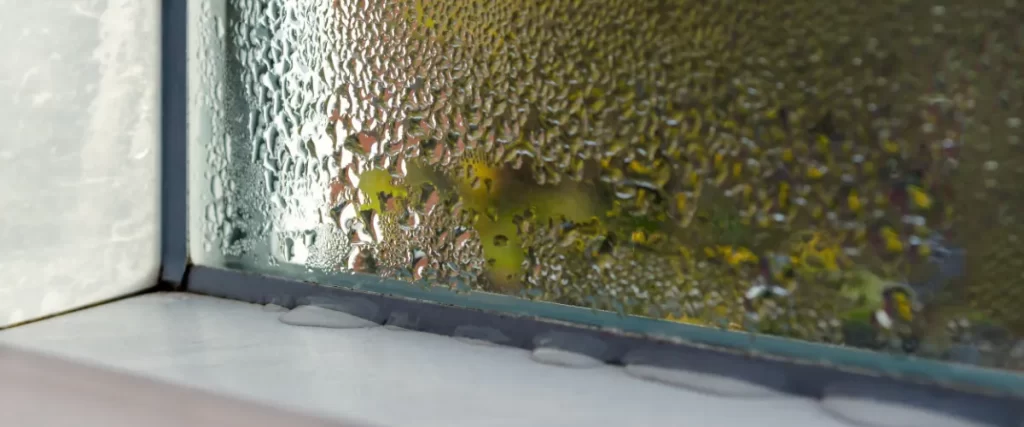
What Causes Condensation on Windows
Condensation happens when humid indoor air meets a cold surface. Your window glass acts like that cold can of soda on a hot day, where water vapor condenses into visible droplets. The science behind it comes down to something called the dew point, which is the temperature at which air moisture turns into water.
During winter, your warm indoor air holds water vapor from cooking, showering, breathing, and even houseplants. When this moist air touches your cold window panes, the temperature drops rapidly. If the glass is cold enough to reach the dew point, condensation forms almost instantly.
Several factors make this worse:
- High indoor humidity: Too much moisture in your home means more water vapor waiting to condense
- Poor air circulation: Stagnant air near windows allows humidity to build up
- Single-pane windows: These transfer cold temperatures inside much faster than modern options
- Temperature differences: The bigger the gap between indoor warmth and outdoor cold, the more condensation you’ll see
Everyday activities pump surprising amounts of moisture into your home. A single shower can release half a gallon of water into the air. Cooking pasta? That’s more moisture. Even breathing adds humidity, especially in bedrooms overnight with doors closed.
Condensation Inside Windows: When It’s a Problem
Condensation on the inside of your windows is usually manageable with some changes to ventilation and humidity. You can wipe it away, and while annoying, it doesn’t mean your windows are failing.
However, too much condensation creates real problems over time.
Water pooling on window sills can damage wood frames, peel paint, and create perfect conditions for mold growth. Black spots appearing around your windows signal that excess moisture has been sitting there for a while. Mold doesn’t just look bad; it can affect your health and require expensive remediation.
If you notice condensation inside your windows every single morning despite your best efforts to reduce humidity, you might have a bigger ventilation issue.
Homes that are sealed too tightly without proper air exchange trap humid air inside. This is common in newer construction, where energy efficiency sometimes comes at the cost of fresh air circulation.
Condensation Outside Windows: Why It’s Actually Normal
Here’s something that surprises many homeowners: condensation on the outside of your windows is actually a good sign. When you see dew on the exterior glass panes early in the morning, it means your energy-efficient windows are doing their job.
Modern insulated glass units keep heat inside so effectively that the outer pane stays cold. On cool, humid mornings, water vapor in the outdoor air condenses on this cooler surface the same way dew forms on your lawn. This type of condensation has nothing to do with problems inside your home.
External condensation typically disappears once the sun warms things up or the outdoor humidity drops. You don’t need to fix anything, and wiping it down is pointless since it’ll come right back until conditions change outside.

How to Fix and Prevent Window Condensation Fast
Reducing window condensation starts with controlling the moisture levels in your home. Small changes can make a dramatic difference in how much water ends up on your window glass.
1. Lower your indoor humidity
The ideal range sits between 30-50%. You can check this with an inexpensive hygrometer from any hardware store. If your humidity climbs above 50%, you’re creating an environment where condensation thrives. Run a dehumidifier in rooms where moisture accumulates quickly, like basements, bathrooms, and kitchens.
2. Improve air circulation around windows
Stagnant air near window panes holds more moisture. Opening curtains and blinds during the day lets warm air reach the glass. Ceiling fans help circulate air throughout the room even in winter. Moving air away from windows reduces the chance that humid indoor air will sit long enough on cold glass to condense.
3. Use exhaust fans religiously
When you cook, turn on the range hood and keep it running for 15 minutes after you finish. Same goes for bathroom fans during and after showers. These fans actively remove moisture before it spreads through your house. If your exhaust fans seem weak, they might need cleaning or replacement.
4. Let fresh air inside when possible
Opening windows for even 10 minutes a day during dry weather helps exchange humid indoor air for drier outdoor air. Yes, this means losing some heat in winter, but it’s a quick fix that can dramatically reduce humidity levels. Trickle vents on some windows allow controlled ventilation without fully opening them.
5. Use a window vacuum
For immediate relief, a window vacuum can remove condensation faster than towels and doesn’t leave streaks. These small devices suction water right off the glass and collect it in a reservoir you empty later.
6. Address moisture sources directly
Dry clothes outside or in a vented dryer rather than on indoor racks. Keep lids on pots while cooking. Fix any plumbing leaks immediately. Even small drips add moisture to your indoor air over time. Houseplants release water too, so if you have many, consider relocating some to rooms without condensation issues.
When to Replace Your Windows
Sometimes, reducing humidity and promoting air circulation isn’t enough because the problem lies with the windows themselves. Single-pane windows simply can’t keep up with modern heating systems and insulation standards. The glass stays so cold that even moderate indoor humidity causes constant condensation.
If your windows have an insulated glass unit with seal failure, you might notice condensation between the panes.
This moisture gets trapped inside where you can’t reach it, creating permanent cloudiness that ruins your view. Seal failure means the insulating gas has leaked out, and outside air has gotten in. The only fix is replacing the entire unit or the whole window.
Old windows with damaged frames, cracked seals around the glass, or gaps that let cold air infiltrate will make condensation worse. Cold air sneaking in around the frame creates extra-cold spots where water vapor condenses more readily.
Replacement windows with modern insulated glass and proper sealing keep the interior glass surface warmer, which reduces the chance of condensation forming.
Energy-efficient windows with double or triple panes create a thermal barrier. The insulating gas between panes keeps the interior glass closer to room temperature.
Warmer glass means humid air has to reach a much lower dew point before water vapor condenses. Many homeowners see condensation problems disappear completely after installing new windows.
Keep Your Windows Clear Year-Round
Dealing with window condensation takes some effort, but most solutions are straightforward once you understand what’s happening. If you’re constantly battling moisture on your windows despite trying everything, the windows themselves might be the issue.
Maybe you’re tired of wiping down glass every morning. Maybe you’ve already invested in dehumidifiers and fans, but still see water droplets pooling on your window sills. Maybe you’ve realized your old windows just can’t handle the way you live in your home.
If any of this sounds familiar, it might be time to consider whether professional help makes more sense than continuing to fight the same battle.
At Home General, we help homeowners solve condensation problems with quality window replacements that address the root cause. New, properly installed windows can eliminate the temperature difference that causes condensation in the first place. You won’t need to worry about humidity damage or mold growing around your frames anymore.
If you’re ready to stop dealing with foggy windows and want a permanent solution, call us at (402) 983-9200 or message us here. We’ll assess your situation and recommend windows that fit your home, your climate, and your budget.